International Salvage Medicine
Advancing Medical Standards for International Salvage.
Bringing together medical professionals, salvage operators and industry specialists to improve clinical preparedness, professional competence and medical assurance across salvage operations.

Our Purpose
Medical preparedness built for the realities of salvage.
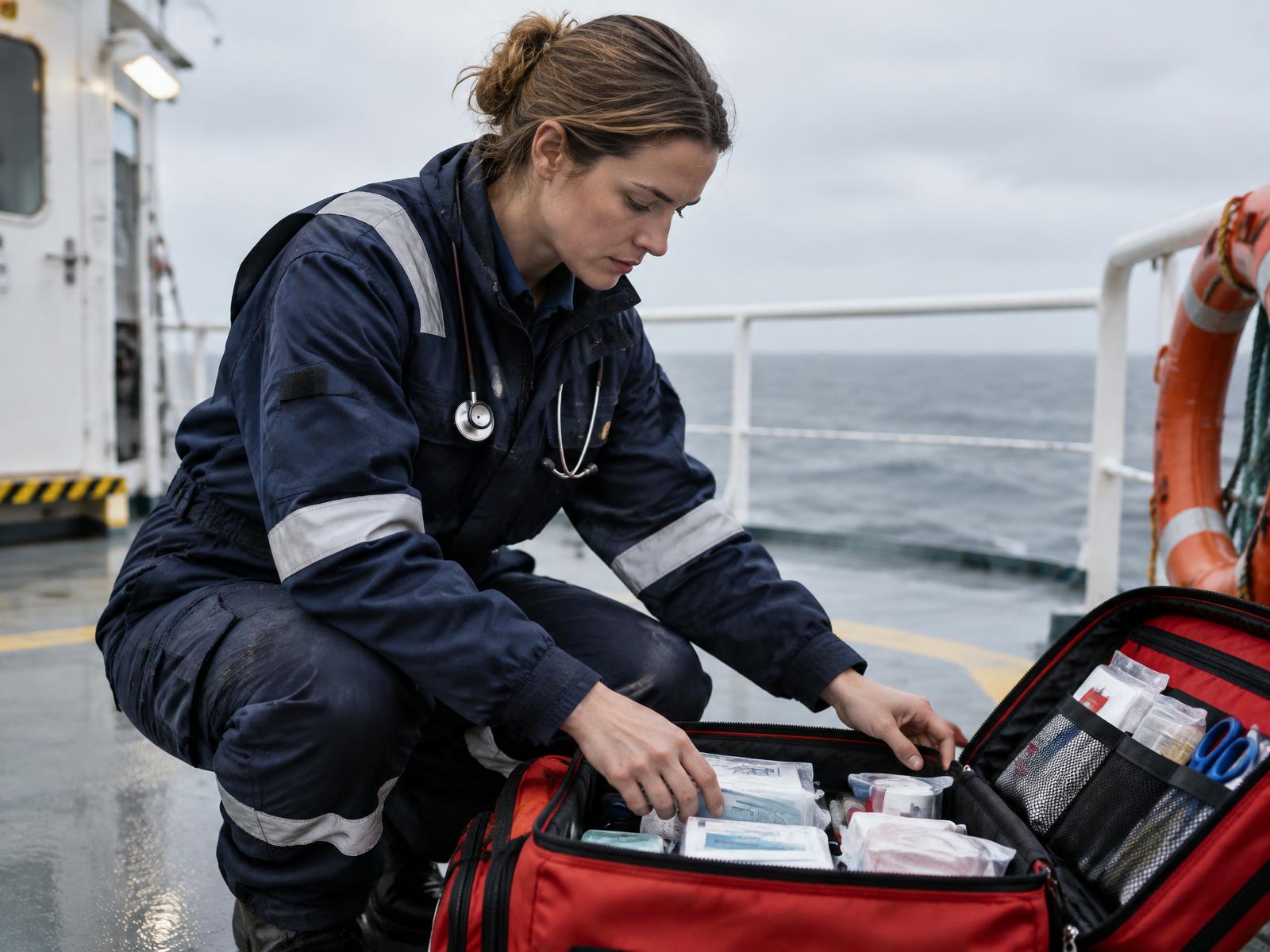
Salvage operations present distinctive medical challenges. Remote locations, hazardous environments, complex logistics and constrained evacuation options can place exceptional demands on medical teams.
SMA aims to address these challenges through practical standards, evidence-based guidance, professional development and a consistent approach to medical readiness.
What we are developing
Four core pillars.
- 01
Standards
Defining better practice.
Developing practical, evidence-informed guidance for medical preparedness, clinical governance and emergency response in salvage operations.
Explore Standards - 02
Certification & Assurance
Demonstrating medical readiness.
Developing structured assessment frameworks to evaluate medical capabilities, identify gaps and support continual improvement.
Explore Assurance - 03
Training & Competence
Building professional capability.
Supporting the development of specialist knowledge and competence for medical professionals working in challenging maritime environments.
Explore Training - 04
Research & Intelligence
Learning from operations.
Encouraging research, operational learning and responsible knowledge sharing to advance medical practice across the salvage industry.
Explore Research
Why salvage medicine matters
Different operations. Different medical demands.
No single medical model fits every salvage operation. Medical requirements must be determined by operational risk, applicable law and the actual capabilities required — not by a fixed checklist.
Remote and offshore working
Distance from definitive care shapes every clinical decision and resource requirement.
Hazardous environments
Confined spaces, unstable structures, hazardous cargoes, heat and weather exposure.
Complex casualty evacuation
Evacuation may depend on weather, aviation availability, vessel access and jurisdiction.
Prolonged operations
Extended projects raise fatigue, welfare and prolonged-field-care considerations.
Multi-agency coordination
Owners, contractors, authorities and responders must share clear medical arrangements.
Capability, equipment and communications
Practitioner competence, equipment, telemedicine and contingency plans must match the risk.
Communications and contingency planning underpin every factor above.
Our approach
From guidance to operational readiness.
- 01
Understand the risk.
Assess the operation, workforce, hazards, location and evacuation constraints.
- 02
Define the capability.
Establish appropriate medical resources, competencies, equipment and escalation arrangements.
- 03
Assess preparedness.
Evaluate documented arrangements, personnel competence and emergency response capability.
- 04
Improve continuously.
Use exercises, audits, operational learning and corrective actions to strengthen performance.
Industry collaboration
Built with the people who understand salvage.
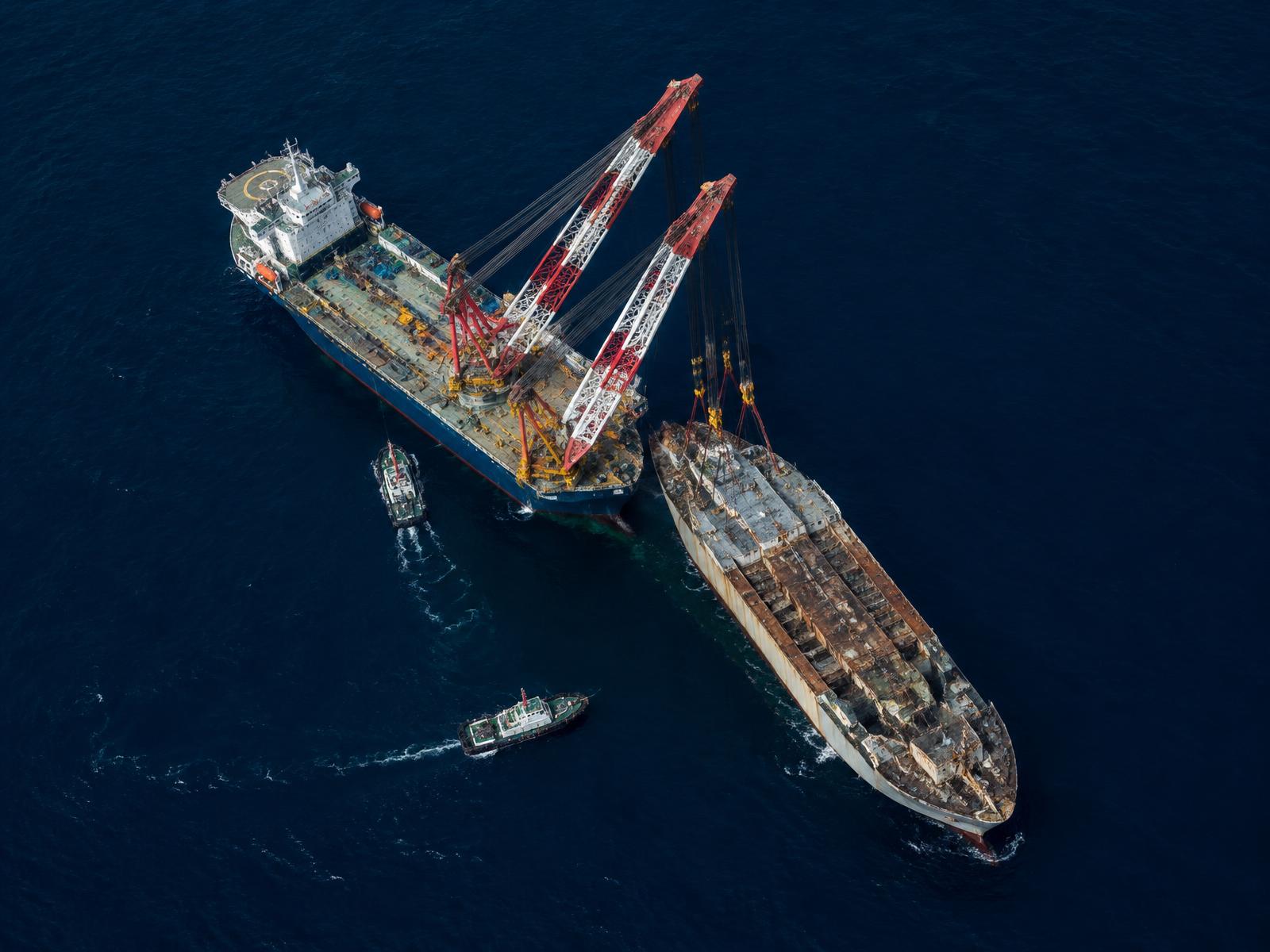
Meaningful medical standards require collaboration between clinicians, salvage professionals, operators, training specialists and independent technical experts.
SMA intends to create a forum for practical discussion, technical review and the development of better industry practice.
Membership · In development
Help shape the future of salvage medicine.
Join a developing professional community committed to improving medical preparedness, clinical practice and operational learning across the international salvage industry.
Better prepared. Better supported. Better practice.
Help advance the standards, knowledge and professional collaboration needed to support safer salvage operations.